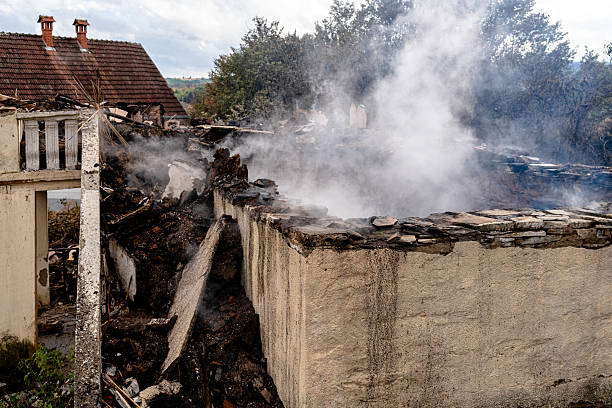
Soot isn't just dirt — it's an acidic byproduct of combustion that keeps corroding metal, grout, and painted surfaces for as long as it sits untreated. Fire Damage Laser Cleaning's Soot Cleanup crews in Hampton, MD remove it using the correct mechanical method for each surface — dry chemical sponges on painted walls, HEPA vacuuming on porous materials, specialized solvents on hard surfaces.
A damp cloth is the wrong first move on dry soot; it drives the residue into the surface rather than removing it, and we see this mistake constantly on Hampton service calls. Our technicians test the residue type before choosing a method, not after.
Call +1-866-484-1409 Now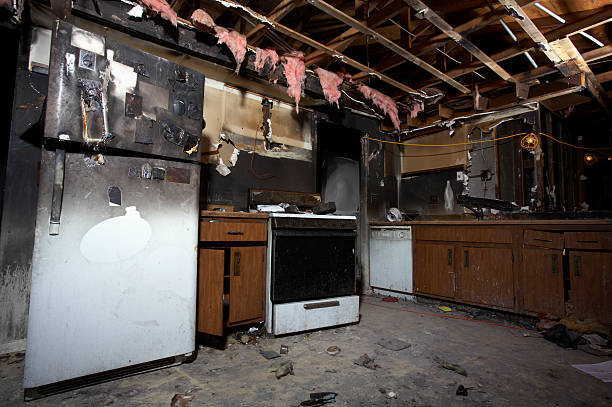
We choose dry sponge, HEPA vacuum, or solvent cleaning based on the specific surface, not a default process.
Because soot is acidic, we apply a neutralizing step on metal fixtures and hardware before corrosion sets in permanently.
Because delay makes soot damage worse, not just messier, we prioritize rapid response on active Hampton jobs.
You approve a written estimate before any cleaning begins, and that number stays fixed barring a documented scope change.
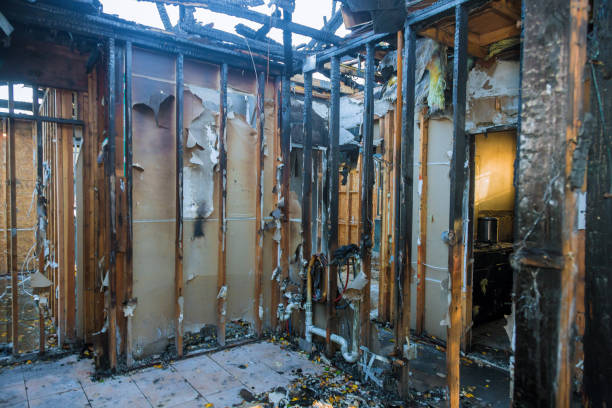
One of the more common Hampton service calls involves a homeowner who scrubbed soot off a wall themselves only to end up with a darker, harder-to-remove stain than what they started with — that's the acidic residue reacting with whatever cleaner was used.
Using the wrong cleaning product on soot is a common mistake that turns a removable stain into a much harder problem.
Our Soot Cleanup technicians carry pH test strips to confirm residue type on-site before selecting a cleaning agent, rather than guessing based on appearance alone — it takes minutes and avoids turning a straightforward job into a bigger one.
Having both neutralizing chemistries on hand means our Soot Cleanup crews aren't limited to a one-size-fits-all treatment on a Hampton job.
Painted walls, ceilings, and finished wood surfaces get treated with dry chemical sponges designed to lift soot without smearing it.
We use HEPA extraction on porous surfaces where a sponge alone won't fully lift embedded soot particles.
Because soot corrodes metal continuously, hardware and fixtures get treated even after visible residue is gone.
Textured surfaces like grout and brick trap soot in ways flat walls don't, so we use a different solvent approach there.
Skipping the HVAC check is how a fully-cleaned room ends up dusted with soot again within weeks.

Calling +1-866-484-1409 connects you to dispatch, who send equipment matched to your described damage.
Our Hampton response vehicles carry the full range of dry sponges, HEPA equipment, and solvents needed for mixed-surface jobs.
The technician tests soot type and surface reaction before writing a room-by-room, surface-matched estimate.
We inspect every treated surface under bright light before calling the job complete, checking for missed residue.
"They explained why my own cleaning made the walls worse — I had no idea soot was acidic."
— Dana K., Hampton
"The grout in our bathroom looked permanently gray until they used a different method on it."
— Omar J., Hampton
"Fast, clean, and they checked the air ducts without me even asking."
— Sylvia R., Hampton
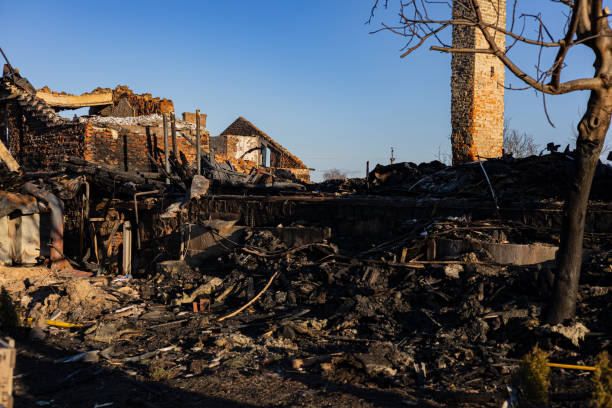
Our Soot Cleanup coverage spans Hampton and reaches well into Hampton, MD, with acid-neutralizing and HEPA equipment staged locally for fast response.
Every Hampton response vehicle carries pH testing strips and the full range of dry sponges, HEPA equipment, and neutralizing agents needed for a same-visit diagnosis and start.